


People directly impacted by flooding, fire, or drought experience physical, economic, and emotional trauma. But eco-anxiety is not limited to those of us who directly experience natural disasters fed by climate change. Even indirect exposure to the effects of climate change via a steady stream of media and social media can induce climate change anxiety.
Where does eco-anxiety come from?
We are all exposed to news reporting about species extinction, natural and global ecological disasters, and weather extremes where climate change is a catalyst. This exposure can create feelings of distress, helplessness, grief, anxiety, and depression. Eco-anxiety, or eco-distress, has been described as “a chronic fear of environmental doom”.1
Anxiety about climate change can be fed by the feeling, or the knowledge, that the pernicious effects of human disregard for the environment are a leading factor in climate change. If we are causing climate change, don’t we have some level of moral culpability? These feelings of guilt can compound the feelings of anxiety around climate change.
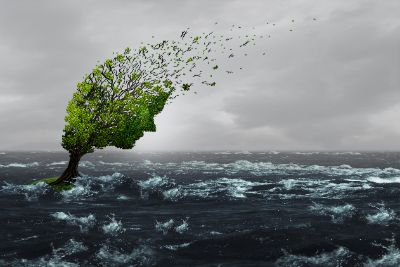
What does climate change anxiety look like?
The symptoms of eco-anxiety and climate depression include restlessness and insomnia; rapid heartbeat and panic attacks; symptoms of grief such as sadness and anger. In fact, the symptoms of anxiety about climate change can appear remarkably like the anxiety we feel in other parts of our lives. Fortunately, anxiety tends to respond well to treatment. If you experience symptoms related to eco-distress, therapeutic intervention is likely to provide relief for climate-related anxiety.
Activism and being proactive can reduce your climate-related anxiety
Environmental activism can, of course, be a good activity in its own sense. But, it can also give you a sense of purpose and a feeling of control as you confront climate change. Implementing lifestyle changes such as traveling whenever possible with low-impact vehicles or using public transportation, not using disposables, composting, and limiting garbage output, to name a few, can empower you. As you feel more control, you will likely feel reduced anxiety.
Creating household emergency plans, practicing self-care through improved eating habits and physical conditioning, nurturing family relationships and friendships, establishing familiarity with neighbors, and sharing feelings and information with others are practical steps that will help you feel more competent and less stressed.
Reach out for help
But as we saw from the effects of Covid-19, it’s important to realize that despite our best efforts, not everything is within our control, and the impact of climate change may be far sooner and greater than previously thought. If eco-anxiety and climate emotions persist after proactive steps to reduce climate-related stressors, a qualified therapist can provide coping techniques and exercises to reduce anxiety and evaluate whether there may be additional underlying mental health issues (such as phobias or OCD) that should be addressed and treated.
For therapy in Nice and online that can help you get beyond eco-anxiety and give you a new sense of calm, contact Christina Winkler. You can call or fill out the contact form and click send.
References
1Clayton, Susan; Manning, Christie; Krygsman, Kirra; Speiser, Meighen (March 2017), Mental Health and Our Changing Climate: Impacts, Implications, and Guidance (PDF), American Psychological Association